




Talk About It: Dr. Ortiz on Colorectal Health and Screening
Talking about colorectal health is not something most people feel comfortable doing, but it is one of the most important conversations we can have. Colorectal cancer is one of the leading causes of cancer-related deaths in the United States, yet it is also highly preventable when caught early. In March, we recognized Colorectal Cancer Awareness Month, and encouraged our community to move past the discomfort and start talking. Understanding the risks, knowing when to get screened, and recognizing the signs can make a life-saving difference for you or someone you love.
Even though March is behind us for the year, we believe we shouldn’t regulate the conversation of colorectal health to a single month. So, we sat down with Rocking Horse Physician, Dr. Andres Barrero Ortiz, to learn more about the illness, how to talk about it, and what to do if you are at risk…
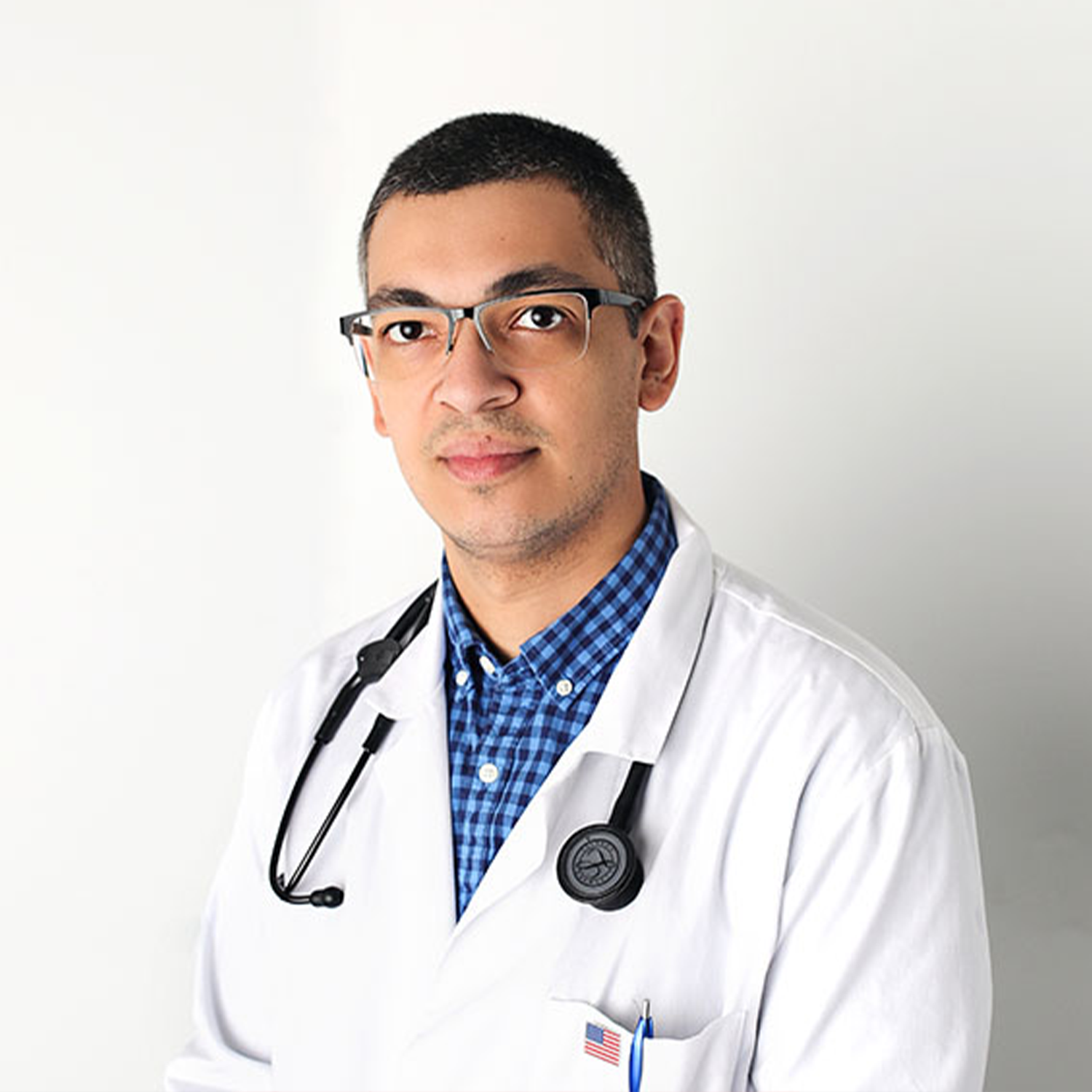
March was Colorectal Cancer Awareness Month. Why is it important for people to talk more openly about colorectal health and screening?
Dr. Ortiz: Talking openly about colorectal health can save lives. Colorectal cancer is the second leading cause of cancer-related death in the United States, and yet it is also one of the most preventable cancers, especially when it is found early.
Many people delay screening because they feel embarrassed or uncomfortable talking about bowel habits or the testing process. That is completely understandable. However, avoiding the conversation can delay care, and that can be extremely dangerous. When we make this a normal topic to talk about, more people get screened. More precancerous growths, called polyps, are found and removed early. More lives are saved.
It is also important to know that colorectal cancer is increasing in younger adults. That makes these conversations even more important for people in their 40s.

For someone who may not be familiar, what exactly is colorectal cancer, and how does it typically develop?
Dr. Ortiz: Colorectal cancer starts in the colon, which is the large intestine, or in the rectum. Unlike some other cancers, we actually understand this one very well, which gives us a real chance to prevent it.
Most colorectal cancers begin as small growths called polyps on the inner lining of the colon or rectum. At first, these polyps are not cancerous. But over time, often 10 to 15 years, some of them can slowly turn cancerous. That long timeline is actually good news. It gives us time to find and remove these polyps before they ever become a concern.
Not all polyps turn into cancer, but we cannot always predict which ones will. That is why screening is so effective. It allows us to remove them early and stop cancer before it starts.
Many people delay screening because they feel nervous or embarrassed. What would you say to someone who is hesitant about getting screened?
Dr. Ortiz: First, I want to say that those feelings are completely normal.
Many people feel nervous or embarrassed. The important thing to remember is that the short-term discomfort of screening is much easier than dealing with cancer found at a later stage.
Also, screening today is much easier than many people expect. If you choose a colonoscopy, you will be sedated: you won’t feel or remember the procedure. In fact, most people say the hardest part is the preparation the day before, not the test itself.
It is also important to know that a colonoscopy is not your only option. There are simple at-home stool tests that you can do in the privacy of your own bathroom.
Remember: your healthcare team performs these tests every day. Our goal is to help you stay healthy. We are never there to judge you.
Think of it this way: a few hours of some awkwardness or slight discomfort could give you many more healthy, happy years with the people you love.

At what age should people begin colorectal cancer screening, and are there certain individuals who should start earlier?
Dr. Ortiz: While the recommendation used to be 50, it was recently lowered to 45 for those at average risk because we are seeing more cases of colorectal cancer in younger adults.
Most people continue screening until about age 75. After that, decisions are made based on overall health and should be discussed with a doctor.
Also, depending on several factors, some people should start testing earlier.
You should start at age 40, or 10 years before your family member was diagnosed, whichever comes first, if you have:
- A parent, sibling, or child with colorectal cancer
- A close relative with advanced polyps
You should talk to your doctor about earlier or more frequent screening if you have:
- Crohn’s disease or ulcerative colitis
- A personal history of polyps or colorectal cancer
- Certain inherited conditions that increase cancer risk
- Prior radiation to the abdomen or pelvis
If any of these apply to you, do not wait. Talk to your doctor about when to start.

Beyond screening, what lifestyle habits can help reduce the risk of developing colorectal cancer?
Dr. Ortiz: Screening is by far the most important step, but daily habits also play a role.
Here are some ways to lower your risk:
- Maintain a healthy weight
- Stay physically active on a regular basis
- Eat a balanced diet that includes: More fruits, vegetables, whole grains, fish and poultry and less red meat and processed meat such as bacon, sausage, and deli meat.
- Limit alcohol
- Avoid smoking
- Get enough calcium and vitamin D through your diet when possible
These habits do more than reduce cancer risk. They support your overall health.

What message would you most like people in our community to remember when it comes to protecting their colorectal health?
Dr. Ortiz: The most important message is simple. Colorectal cancer is preventable and treatable when found early, but only if you take action.
Do not let fear, embarrassment, or the belief that you feel fine stop you from getting screened.
- If you are 45 or older, schedule your screening
- If you have risk factors, talk to your doctor about starting earlier
- If you have symptoms, do not wait to speak with your doctor.
Your health matters. Your life matters. The people who care about you want you here for many years to come.
Rocking Horse: Is there anything else you would like to share for this blog post?
Dr. Ortiz: Yes. There are a few important things I’d like everyone to remember:
- You have options: If a colonoscopy makes you hesitant, ask about at-home stool tests. The best screening test is the one you will complete.
- Cost should not be a barrier: Most insurance plans, including Medicare, cover screening at no cost when done at recommended intervals. If you do not have insurance, many communities offer low-cost or free screening programs. Rocking Horse will never turn anyone away because of their ability to pay for a service.
- Bring support if you need it: A friend or family member can help you feel more comfortable and supported.
- Talk about it: Sharing your experience can encourage others to get screened.
Talk to Your Doctor Today!
When it comes to colorectal cancer, early action changes everything. Whether it is scheduling your first screening, talking with your doctor about your risk, or simply starting a conversation with someone you care about, every step matters.
You are not alone in this, and you have options, support, and resources available to help you take control of your health. At Rocking Horse, we are here to walk alongside you with care that is compassionate, respectful, and focused on your well-being.